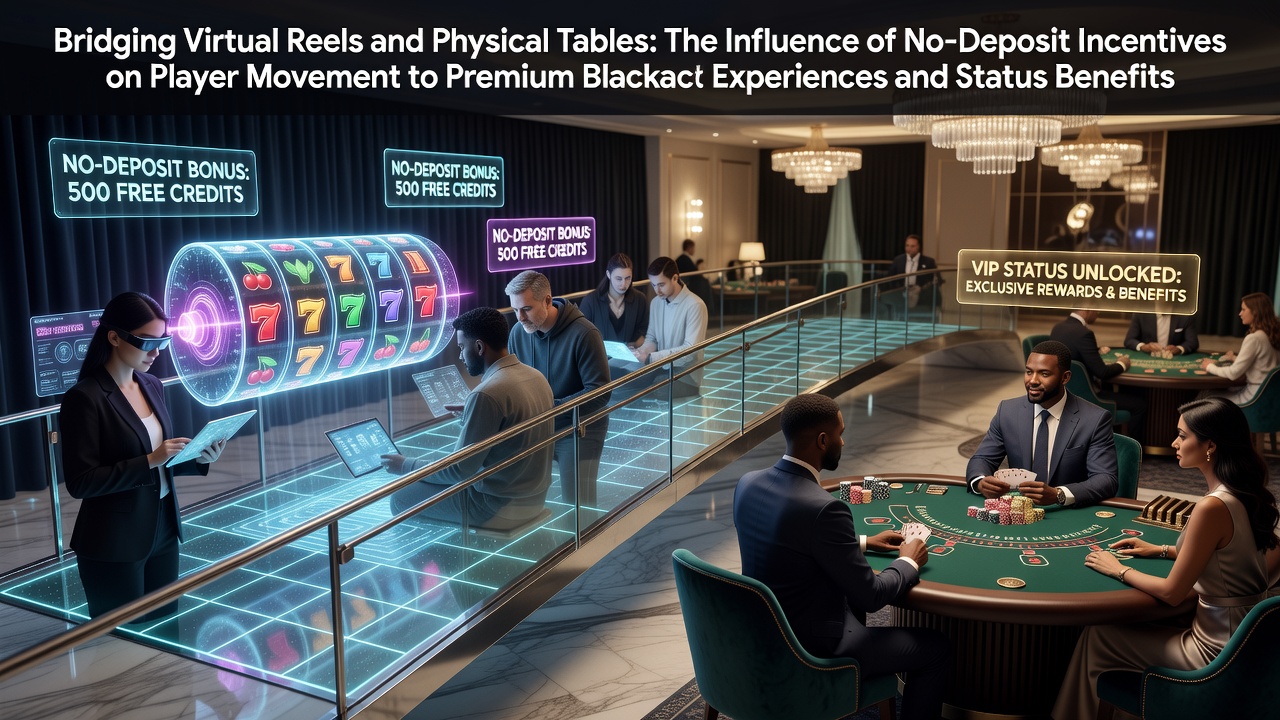
 No-deposit incentives have become a common entry point in online gambling platforms, allowing users to access games without initial financial commitment, and data from industry reports shows these offers often begin with virtual reels before guiding participants toward live dealer formats. Research indicates that such bonuses, typically ranging from free credits to risk-free spins, encourage initial engagement with slots, yet operators structure progression paths that highlight table games as the next step in player development. Operators track how these no-deposit tools convert casual reel players into participants seeking structured blackjack sessions, where skill elements and table dynamics differ from automated spins. Figures from gaming associations reveal that players who start with zero-deposit promotions demonstrate higher retention rates when those offers include pathways to live blackjack variants, with many advancing to premium environments that combine digital access with physical venue perks.
Mechanics of No-Deposit Offers in Digital Environments
Platforms deliver no-deposit incentives through verified accounts, granting small balances that players apply across slot titles before any real-money requirement appears, and analysts observe that successful conversions occur when these credits introduce users to hybrid features like live dealer integrations. Data shows participants who explore blackjack tables during bonus periods maintain longer session times compared to those restricted to reels alone.
Terms attached to these offers frequently specify wagering thresholds that reward table game activity, such as lower contribution rates for blackjack bets, which effectively channels movement toward dealer-led rounds, while payment processing speeds influence how quickly users unlock subsequent rewards. Studies from research institutions note that seamless transaction flows reduce drop-off rates during the shift from virtual to live formats.
Pathways from Virtual Reels to Live Dealer Blackjack
Live dealer sections on major sites incorporate no-deposit credits to demonstrate blackjack rules in real time, creating a bridge that prepares users for physical casino floors where premium tables operate under similar rules yet deliver added atmosphere and service layers. Observers note that July 2026 updates to several platform interfaces emphasized these live-to-land transitions, with promotional sequences highlighting status benefits like reserved seating and personalized host access at partnered venues.
Player data indicates that individuals completing no-deposit wagering on digital tables show increased likelihood of visiting physical properties, particularly when loyalty programs link online activity to land-based tier points. Industry organizations report that such crossovers contribute to measurable growth in premium blackjack participation across integrated resort networks.

Status Benefits and Tier Progression Through Cross-Format Play
Loyalty frameworks award points for both online and offline activity, allowing no-deposit starters to accumulate toward VIP levels that unlock physical table privileges such as higher betting limits, complimentary accommodations, and dedicated account managers. Reports from the American Gaming Association highlight how these layered systems sustain engagement by connecting initial bonus play to long-term status milestones.
Payment methods play a supporting role, with instant processing options accelerating the move from digital credits to verified accounts eligible for land-based rewards, and operators in multiple regions have aligned their systems to recognize cross-platform progress. Research from academic sources, including studies conducted through the University of Nevada, Las Vegas, demonstrates correlations between early no-deposit exposure and accelerated advancement into elite blackjack experiences.
Regional Variations in Incentive Structures
European platforms often integrate no-deposit offers with regulatory requirements that emphasize responsible progression to table games, whereas North American and Australian markets focus on seamless links between online reels and resort-based blackjack rooms. Data from the Canadian Gaming Association shows similar patterns, where bonus trails lead to measurable increases in physical venue visits during peak periods.
July 2026 saw several operators expand partnerships that extend online no-deposit activity into status recognition at international properties, creating unified tracking that rewards consistent play across formats. These developments build on existing loyalty architectures without introducing new regulatory hurdles in most jurisdictions.
Conclusion
No-deposit incentives continue to function as entry mechanisms that connect virtual reel activity with premium blackjack participation and associated status benefits, supported by operator systems that track progression across digital and physical channels. Available data from diverse gaming bodies confirms these patterns while highlighting the role of payment efficiency and loyalty integration in sustaining player movement. As platforms refine these connections through 2026, the influence on table game engagement remains evident in reported metrics from multiple regions.