Mapping Incentive Pathways That Bridge Initial Game Trials With Elevated Table Play And Recognition Programs
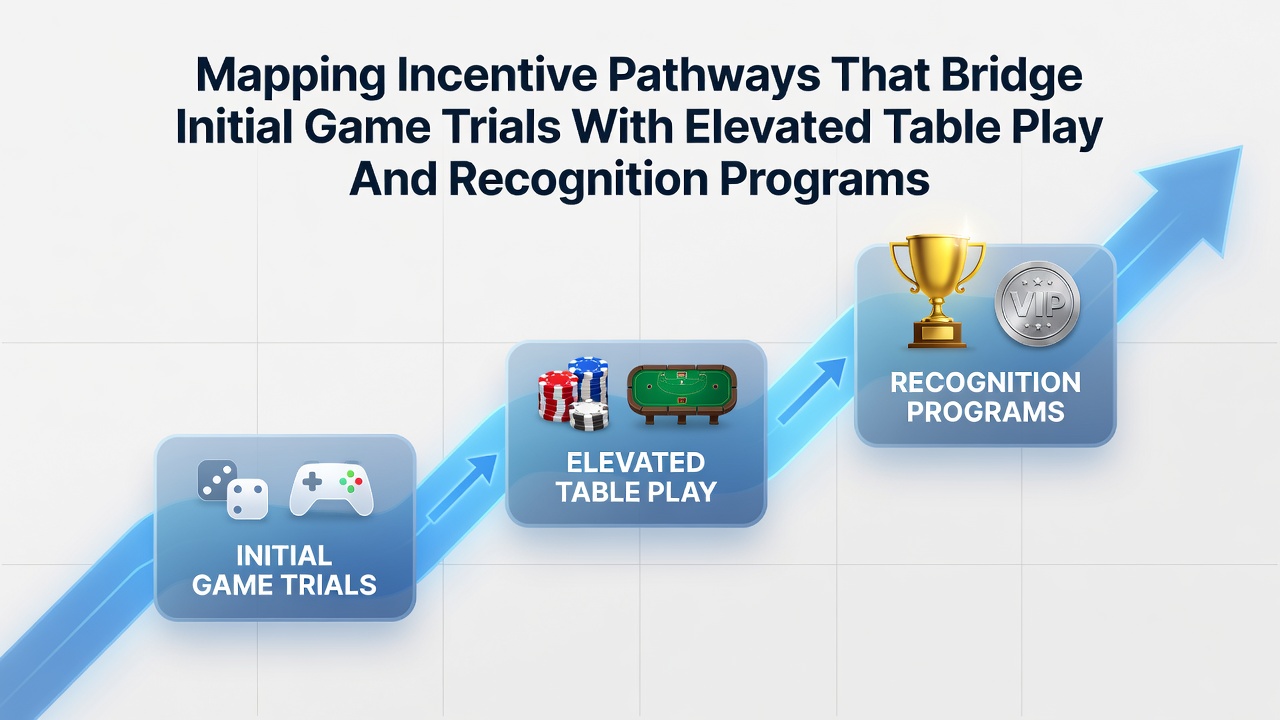 Data from multiple gaming markets indicates that structured incentive pathways often start with low-barrier entry offers and progress through measured play requirements toward higher-stakes table environments and tiered recognition systems. These sequences appear across both land-based and digital platforms where operators track player behavior to allocate rewards at successive stages. Operators typically design initial trials around slot or basic game access that requires minimal commitment while collecting performance metrics such as session length and wager volume. Once thresholds are met, systems automatically surface offers that encourage movement into live dealer or table formats where average bet sizes tend to increase. Recognition programs then activate based on cumulative activity points that convert into status levels carrying tangible benefits like dedicated hosts, personalized limits, and expedited withdrawals.
Entry-Level Mechanisms and Measurement Points
Many jurisdictions require operators to maintain transparent records of how trial incentives convert into sustained play. Figures released by the Nevada Gaming Control Board in early 2026 documented a steady rise in the percentage of players who transitioned from promotional credits to table games within thirty days of account activation. The same dataset showed that recognition program enrollment rates climbed when operators linked trial completion directly to table-specific multipliers rather than generic bonuses.
Pathway mapping relies on segmented tracking that assigns different point values to game categories. Slots might generate baseline credits while roulette or blackjack sessions receive accelerated multipliers. This differentiation encourages the shift operators seek while giving players visible progress indicators through mobile dashboards and account summaries.
Transition Points to Table Environments
Once trial metrics reach defined benchmarks, automated triggers present table-game incentives that often include matched deposits or risk-free hands. These offers carry explicit play-through conditions tied to table minimums and session duration. Research published by the University of Nevada, Reno in May 2026 examined several hundred thousand player records and found that pathways incorporating live-dealer milestones produced higher retention rates at the mid-tier recognition levels compared with slot-only sequences.
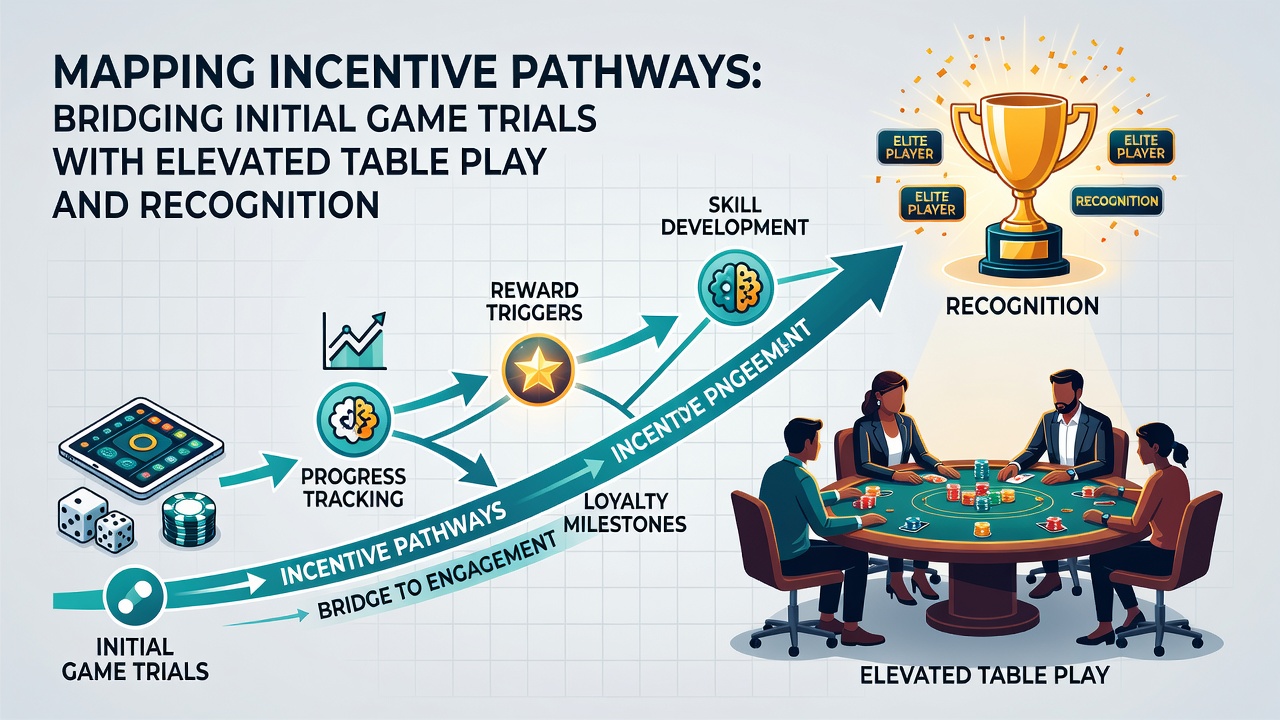
Payment method integration plays a supporting role at these transition stages. Systems that process deposits quickly allow players to move from trial credits to table action without interruption, preserving momentum. Operators in several European markets have implemented instant verification layers that reduce friction between the initial offer and the first table session.
Recognition Program Architecture
Tier advancement within recognition programs follows cumulative activity rather than isolated wins. Points earned across both trial and table phases determine status elevation, with higher tiers unlocking benefits that include private tournament access, cashback percentages, and dedicated account managers. The structure creates a feedback loop where elevated table play accelerates point accumulation and thereby shortens the interval between tiers.
June 2026 updates from several Canadian provincial regulators highlighted standardized reporting requirements for how recognition benefits are communicated and redeemed. These guidelines emphasize clear disclosure of the activity thresholds needed to reach each tier, reducing ambiguity around the pathway from initial trials to elite status.
Cross-Platform Data Integration
Modern systems combine data from online portals and physical properties to create unified player profiles. A single recognition account can therefore reflect both digital trial sessions and in-casino table activity, allowing operators to present seamless incentive offers regardless of channel. This integration supports more accurate forecasting of when a player is likely to respond to table-focused promotions or status upgrades.
Industry associations such as the American Gaming Association have published frameworks that operators use to audit these pathways for fairness and compliance. The frameworks stress consistent application of rules across all player segments and regular review of conversion rates between trial stages and table play.
Conclusion
Mapping incentive pathways requires coordinated design across trial mechanics, table-play triggers, and recognition structures. Data collected by regulatory bodies and academic researchers continues to inform refinements that balance player engagement with operational objectives. As tracking technologies evolve, these sequences are expected to become more precise while remaining subject to oversight that protects transparency at every stage.