Mapping Roulette Sequences to Steer No-Deposit Credits Into Blackjack Level Ups and Payment-Tied Rewards
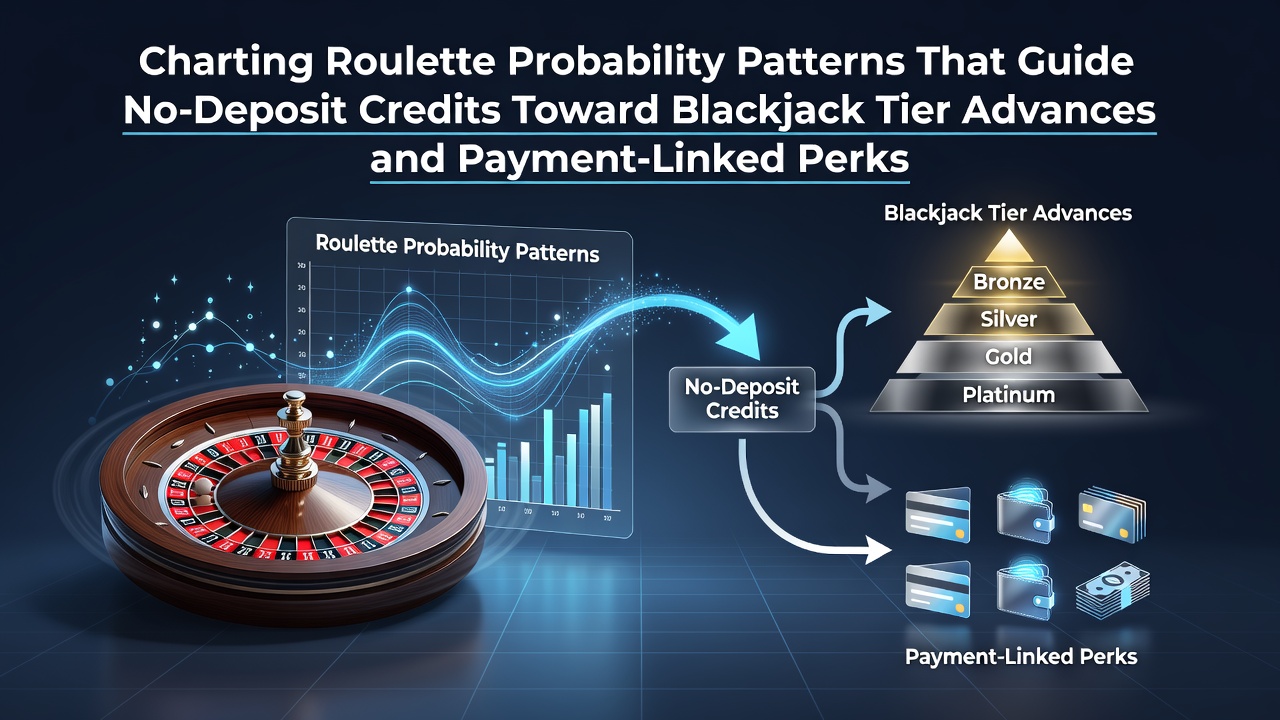
Industry data reveals that roulette operates on fixed mathematical probabilities, with the European variant carrying a house edge of 2.7 percent while the American version reaches 5.26 percent, and players frequently apply sequence tracking methods to time the use of no-deposit credits across game types. These credits, which require no initial funding, allow entry into roulette sessions where recorded patterns may align with transitions toward blackjack tables that support tier advancement systems.
Operators structure loyalty programs so that activity in one game category feeds into broader progression metrics, and payment method selections at later stages often determine the speed of perk unlocks such as cashback rates or exclusive table access. Figures from the Nevada Gaming Control Board show consistent growth in multi-game player journeys through 2025, with similar trends projected into July 2026 as platforms refine integration between random outcome games and skill-influenced formats like blackjack.
Core Probability Elements in Roulette Tracking
Each spin remains independent under standard probability rules, yet many participants log results to identify short-term clusters of red, black, or number groupings that coincide with bonus activation windows. Data from platform analytics indicates that no-deposit credits see higher utilization rates during these observed clusters, channeling subsequent play volume into blackjack environments where tier points accumulate faster due to higher per-hand wager multipliers in most programs.
Payment-linked perks enter the picture once players meet threshold volumes, and studies from the National Indian Gaming Commission document how deposit method choices influence reward tiers across integrated casino ecosystems. Observers note that electronic wallets and card options frequently carry distinct point multipliers compared with bank transfers, creating measurable differences in how quickly blackjack tier status advances after initial roulette exposure.
Transition Pathways From Credits to Table Progression
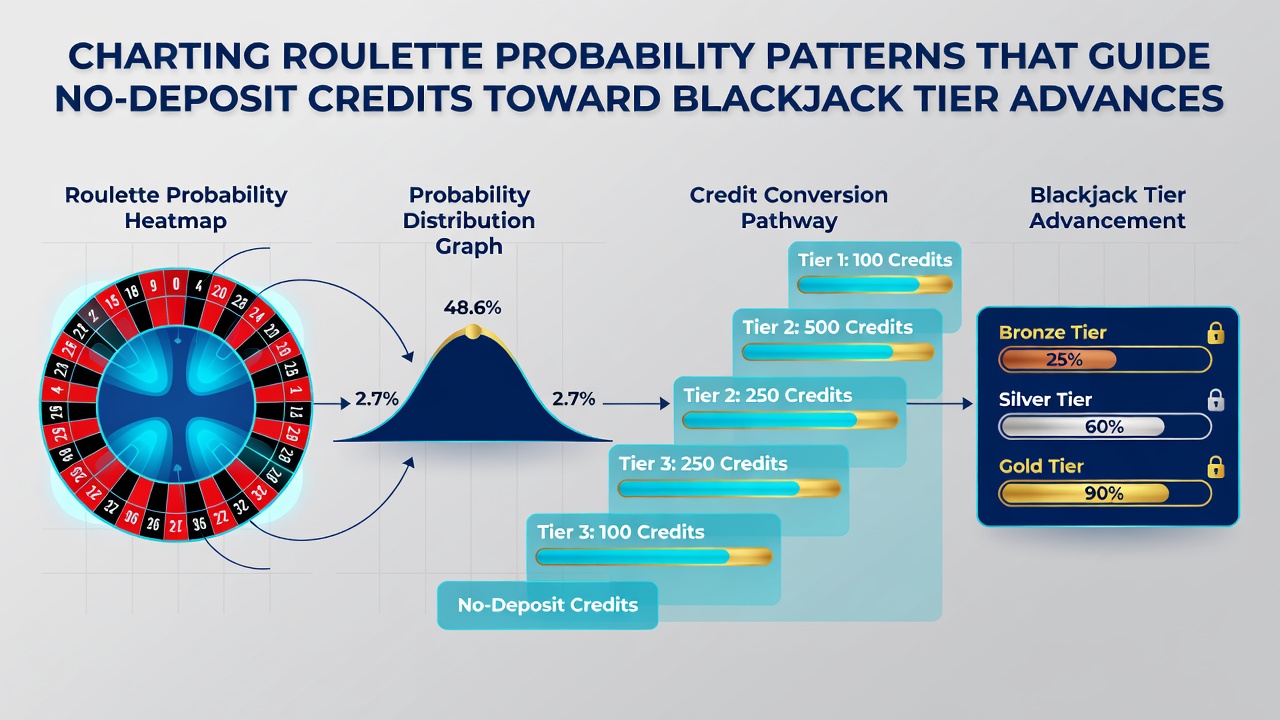
Platform records demonstrate that no-deposit allocations often start in roulette because of its straightforward betting structure and rapid round cycle, after which accumulated data points guide shifts to blackjack tables that reward consistent play with level increases. One documented pattern involves players noting wheel bias indicators or dealer signature trends before converting remaining credit value into higher-stake blackjack sessions that accelerate VIP movement.
By July 2026, several major operators plan expanded tracking dashboards that display cross-game progression metrics in real time, allowing users to monitor how roulette activity feeds into blackjack tier requirements. Research published in the Journal of Gambling Issues highlights that payment instrument selection at the conversion stage correlates with faster access to layered benefits such as personalized table limits and accelerated loyalty point accrual.
Payment Integration and Perk Activation Mechanics
Once players move credits into blackjack play, the choice of funding method for any top-up amounts directly affects perk delivery timelines, according to aggregated operator reports. Certain processors trigger instant tier boosts while others impose verification delays that slow advancement, and data shows measurable variance in reward redemption rates tied to these differences.
Industry analysts track how no-deposit origins influence downstream payment behavior, with sequences that begin in roulette often leading to higher overall table game spend once tier thresholds are crossed. External research from the Australian Gambling Research Centre confirms that structured progression systems reward multi-game engagement patterns more generously than single-category activity, particularly when payment history demonstrates consistent verification and volume.
Observed Patterns Across Player Cohorts in Mid-2026
Platform datasets covering the first half of 2026 illustrate recurring pathways where roulette probability logging precedes credit conversion into blackjack sessions that unlock tiered status. These pathways typically involve an initial no-deposit phase, followed by pattern-guided table selection, and conclude with payment method choices that finalize perk distribution.
Regulatory filings indicate that operators must maintain transparent records of how bonus flows connect different game categories, ensuring compliance while supporting player movement toward higher tiers. Such transparency has led to standardized reporting on credit utilization rates and their downstream effects on blackjack advancement metrics across multiple jurisdictions.
Conclusion
Available records establish clear linkages between roulette probability documentation practices, no-deposit credit deployment, blackjack tier movement, and payment method impacts on final rewards. Continued monitoring through July 2026 and beyond will provide further data on how these elements interact within evolving casino frameworks, with statistical agencies and academic sources continuing to supply objective metrics on progression efficiency and reward delivery.