Mapping Transaction Pathways: How Varied Funding Options Guide Shifts from Reel-Based Incentives to Interactive Table Formats and Tiered Privilege Structures
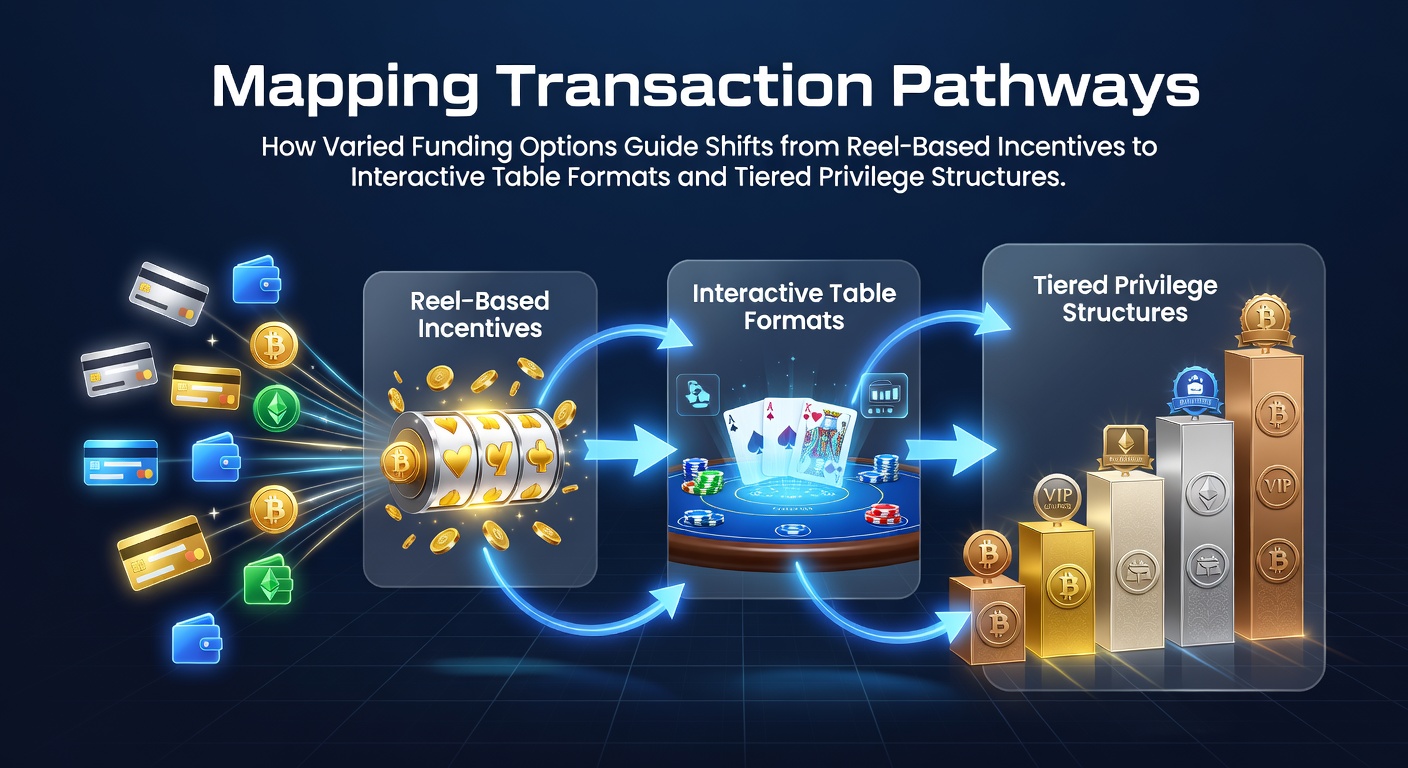
Transaction pathways in modern gaming environments map out how funding choices influence player movement from reel-based incentives into interactive table formats and onward to tiered privilege structures, and observers note these routes have grown more defined since early 2026. Data from industry reports indicates that payment speed, cost, and availability directly shape whether players remain in slot promotions or advance toward live dealer experiences with accumulating rewards. Researchers have tracked these patterns across multiple platforms where deposit methods serve as gateways rather than mere transaction tools.
Funding Mechanisms and Initial Player Entry Points
Varied funding options begin at the entry stage where players select methods that align with available slot incentives, and studies show credit card deposits often pair with standard welcome bonuses while e-wallets unlock faster free spin credits. Crypto transfers meanwhile enable anonymous entry into promotional pools that lead directly into tiered loyalty systems. According to findings from the American Gaming Association, platforms using instant funding saw higher conversion rates from reel incentives to table sessions during the first quarter of 2026. Those who studied player logs discovered that slower bank transfers correlate with longer stays in basic slot promotions before any shift occurs.
Payment gateways further refine these pathways by embedding bonus triggers at the deposit stage, and evidence suggests this integration encourages quicker progression when limits and verification steps remain minimal. One analysis of transaction data revealed that players using digital wallets completed the move from slot free spins to live roulette within fewer sessions compared to those relying on traditional cards. The reality is that each funding route carries built-in signals that platforms use to route players toward higher-engagement formats.
Shifting from Reel Incentives to Interactive Table Formats
Once initial deposits activate slot incentives, funding options determine how rapidly players encounter table game promotions, and multi-clause transaction records demonstrate that low-fee methods sustain momentum through the transition. Interactive table formats require different engagement patterns than reels, yet seamless funding keeps players moving without interruption. Figures from research institutions show that in May 2026 operators reported increased table game participation when e-wallet deposits included embedded live dealer credits. Observers note that players often test table formats after exhausting reel bonuses, and the payment method chosen at that moment influences whether they receive tiered access offers immediately.
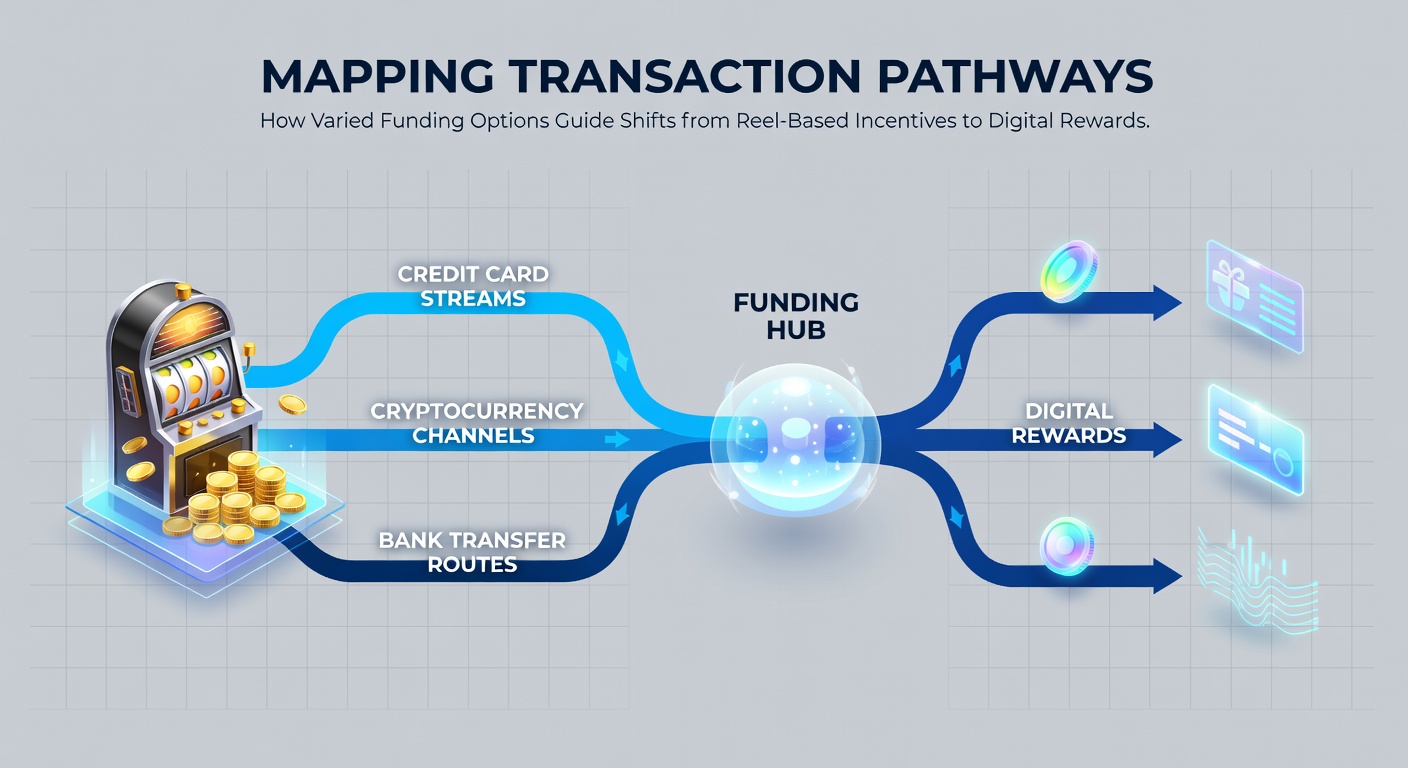
Case examples from platform analytics illustrate the pattern clearly: a player funding through instant crypto might receive a live blackjack entry bonus within the same session, whereas card users encounter an intermediate verification step that delays the shift. Data indicates this timing difference affects overall retention, with faster pathways producing more consistent movement toward table environments. Experts tracking these sequences found that platforms optimizing funding flows for speed recorded measurable gains in table game volume by mid-2026.
Building Tiered Privilege Structures Through Payment Choices
Tiered privilege structures emerge as players accumulate activity across formats, and funding options continue guiding advancement by determining reward velocity and access levels. Higher-tier privileges often unlock after repeated table sessions funded through preferred methods that minimize processing delays. Research indicates that consistent use of specific gateways correlates with faster elevation through loyalty layers, particularly when those methods support recurring deposits without additional verification hurdles. In May 2026, several operators adjusted their tier criteria to account for funding speed as a qualifying factor alongside play volume.
Those who've examined loyalty program data note that players combining slot and table activity through flexible funding reach elite tiers more readily than those limited to slower options. Privilege structures reward this progression with exclusive table formats and personalized incentives, and the underlying transaction pathways make such advancement visible in real time. Industry reports highlight that platforms integrating multiple funding types within a single account experience smoother tier migrations overall.
Regional Patterns and May 2026 Observations
Regional differences appear in how funding options interact with progression routes, and Canadian regulatory summaries reveal that e-wallet adoption accelerated table game entries among players previously focused on reels. Similar patterns emerged in other markets where instant funding reduced friction between incentive types. Observers tracking May 2026 metrics found that platforms offering diverse payment choices maintained steadier flows from basic incentives into tiered environments compared to those with restricted options.
University-led studies on player behavior further confirm that funding diversity supports longer engagement cycles across formats, and the resulting data shows clearer mapping of pathways when multiple methods remain available. These observations continue to inform how operators structure incentives around payment preferences rather than format alone.
Conclusion
Transaction pathways ultimately function as structured routes where funding options serve as directional signals from reel-based incentives through interactive table formats and into tiered privilege structures. Evidence collected through 2026 demonstrates consistent correlations between payment characteristics and player movement patterns, and ongoing analysis continues to refine these maps for greater operational precision.