Pathways of Progression: Slot Entry Points Driving Table Game Loyalty and VIP Elevation in Digital Casinos
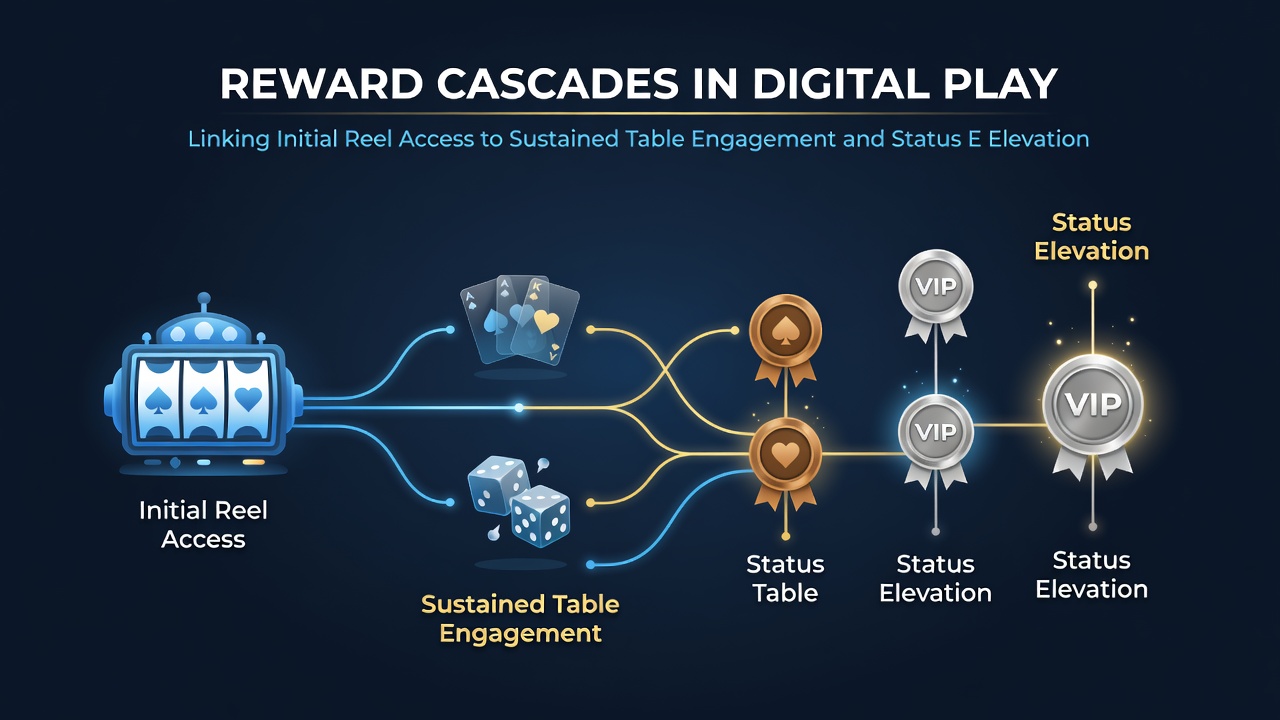
Digital platforms structure reward sequences so that initial reel access functions as an entry point for broader engagement patterns, and operators track how players move from slot sessions into sustained table activity while ascending status tiers. Data from industry monitoring services indicates these sequences operate through layered incentives that begin with free spins or deposit-matched credits on reels before extending eligibility to live dealer formats.
Mechanics Behind Initial Reel Access
Operators deploy no-deposit or low-threshold offers on slot titles to register new accounts, and transaction records show that players who activate these offers complete an average of 18 additional sessions within the first 30 days compared with accounts that begin without incentives. Payment systems integrate these offers directly with wallet functions so that verification steps unlock both reel play and early table access simultaneously.
Platform algorithms monitor spin volume and win frequency to determine when a player receives prompts for live dealer tables, and those prompts typically appear once reel activity exceeds a predefined threshold measured in either spins or total wagered amount. Research published by the University of Nevada, Las Vegas International Gaming Institute found that 62 percent of accounts receiving such prompts within the first week transitioned to at least one table game session during the same month.
Transition Patterns from Reels to Tables
Live dealer interfaces become available after players meet minimum play requirements on slots, and session logs reveal that table engagement often clusters around specific time windows following reel wins. Payment processors record that deposits made after reel sessions carry higher average values when the player has already sampled live blackjack or roulette, suggesting the cascade effect influences funding behavior.
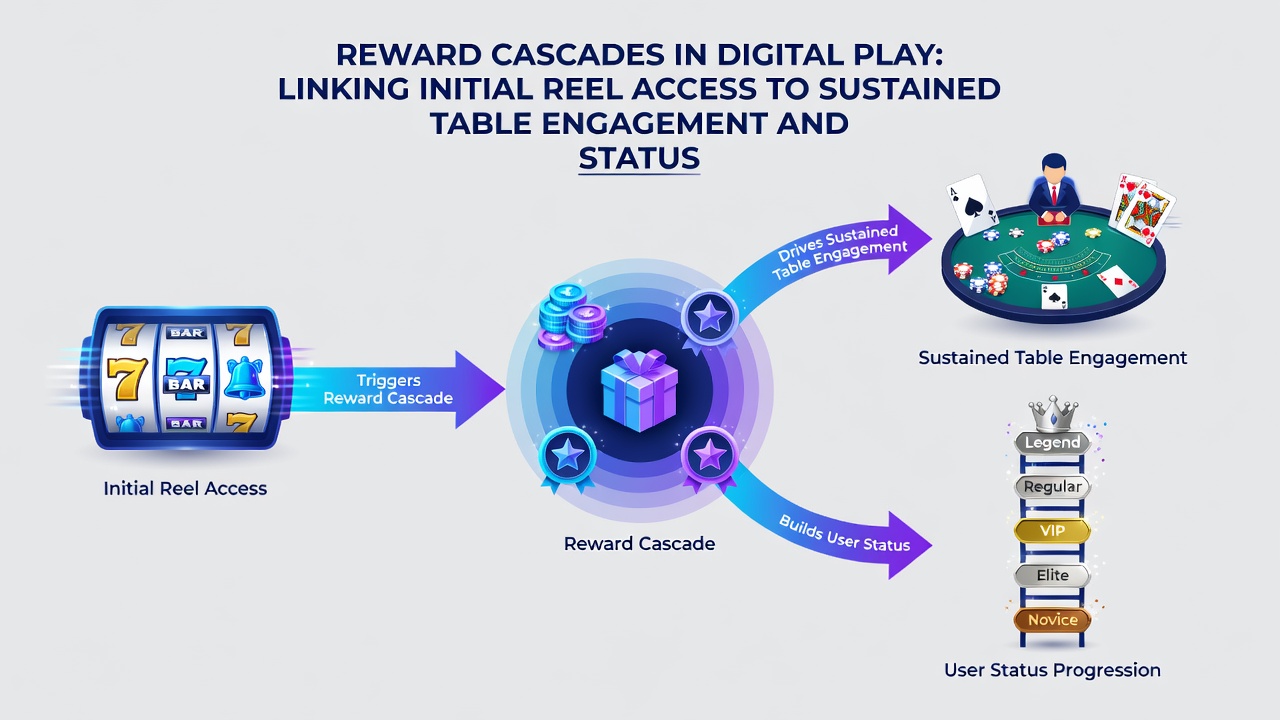
Table game lobbies display loyalty multipliers that increase with consecutive days of activity, and operators apply these multipliers across both reel and table verticals once the player has completed an initial reel sequence. Figures released by the American Gaming Association in its 2025 digital trends summary show that accounts progressing through this sequence maintain active status for an average of 47 days longer than accounts that remain exclusively on slots.
Status Elevation Through Sustained Engagement
VIP programs assign tier points based on total turnover rather than game category, allowing reel-initiated players to accumulate status credits while moving into table environments. July 2026 platform updates introduced unified leaderboards that combine reel and table metrics, enabling players who begin with slot bonuses to appear on the same progression charts as established table users.
Status elevation grants access to dedicated payment rails with reduced processing times and exclusive table limits, and transaction data indicates that players reaching mid-tier status increase their average deposit frequency by 34 percent within the subsequent quarter. External audits conducted by the Nevada Gaming Control Board confirm that these tier structures remain compliant with jurisdictional requirements while still creating measurable retention differences across player cohorts.
Payment Integration and Sequence Continuity
Payment gateways serve as the connective tissue between reel access and table continuation because instant deposit confirmations trigger immediate bonus releases that apply across both verticals. Operators configure these gateways to recognize prior reel activity and adjust available table promotions accordingly, which reduces friction during the transition period.
One documented case involved a mid-sized operator that synchronized its wallet system with a unified bonus engine in early 2026, resulting in a 28 percent rise in cross-vertical play within six weeks according to internal telemetry shared with industry analysts. Such integrations rely on real-time API calls that track player state across game types without requiring separate logins or navigation steps.
Conclusion
Digital reward sequences link initial reel access to extended table engagement and measurable status gains through coordinated bonus structures, payment timing, and unified loyalty tracking. Platform data collected across multiple jurisdictions continues to document longer active periods and higher cumulative turnover among accounts that follow these pathways, while regulatory oversight ensures the mechanisms remain within established operational boundaries.