The Synchronization of Digital Settlement Options with Tiered Access in Hybrid Reel and Dealer Gaming Formats
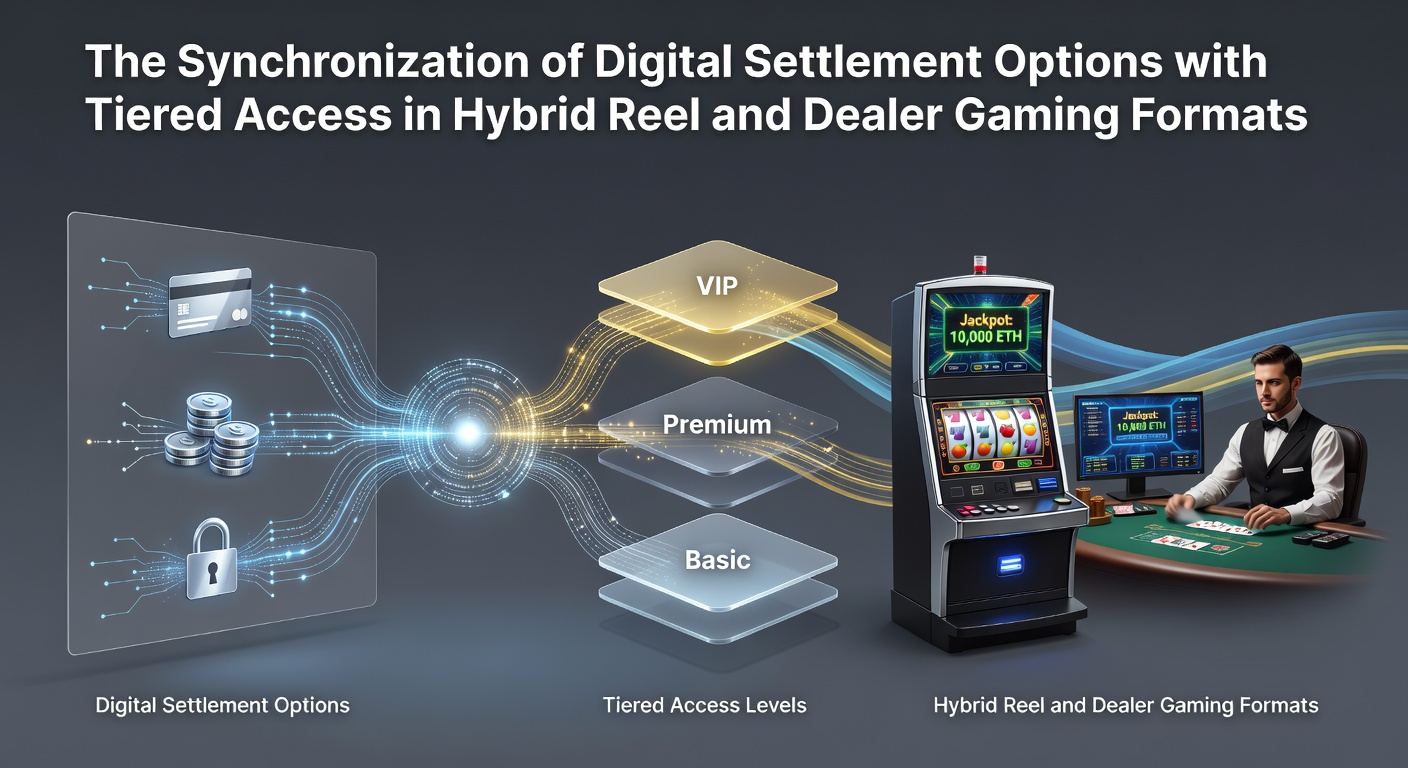
Hybrid gaming platforms combine traditional reel-based machines with live dealer tables, and operators have integrated digital settlement systems that align directly with tiered access structures to manage player progression across these formats. These systems process deposits and withdrawals in real time while adjusting user permissions based on transaction volume, frequency, and account status, which creates pathways from basic slot sessions to elevated live dealer experiences.
Core Components of Digital Settlement Integration
Digital settlement options include bank transfers, electronic wallets, and cryptocurrency channels that feed into centralized ledgers maintained by gaming operators, and these ledgers update tier classifications automatically once predefined thresholds are met. Data from industry monitoring in May 2026 indicated that platforms using synchronized settlement protocols reduced processing delays by up to 40 percent compared with earlier manual review methods, allowing players to move between reel incentives and interactive table formats without interruption.
Operators configure these systems so that each completed transaction triggers an algorithm evaluating eligibility for higher access levels, which unlocks features such as priority seating at live tables or exclusive reel variants reserved for advanced tiers. Researchers at institutions tracking gaming technology have documented how this synchronization relies on application programming interfaces that connect payment gateways directly to player management databases, ensuring consistent application of rules across jurisdictions.
Tiered Access Mechanisms in Practice
Tier structures typically progress through multiple stages, beginning with entry-level reel access funded by standard deposits and advancing to dealer environments where larger settlement amounts or consistent activity patterns qualify participants for enhanced privileges. In hybrid settings, settlement data serves as the primary metric because it provides verifiable records that operators cross-reference against activity logs to confirm tier status without relying solely on game-specific metrics.
One documented approach involves real-time ledger updates that reflect cumulative settlements within rolling periods, after which the system grants or revokes corresponding access rights to live dealer sessions. Figures released by the Nevada Gaming Control Board in early 2026 showed increased adoption of such automated tier adjustments among licensed properties operating mixed-format floors, with transaction volumes correlating closely to tier migration rates.
Operational Examples Across Regions
Platforms in North American markets have implemented settlement synchronization that routes initial reel deposits toward introductory tiers while subsequent larger transfers activate live dealer eligibility, and similar patterns appear in European and Asian operations where regulatory frameworks permit integrated digital funding. Observers note that these setups reduce friction for players transitioning formats because the same settlement channel handles both incentive claims on reels and stake requirements at dealer tables.
Take the case where a mid-tier player completes a cryptocurrency settlement that exceeds a platform-defined threshold, which the system registers instantly and applies to unlock higher live table limits without requiring separate verification steps. Industry reports compiled by the American Gaming Association highlight how such linkages support compliance tracking because every settlement leaves an auditable trail that aligns with tier permissions across hybrid inventories.
Technical Synchronization Processes
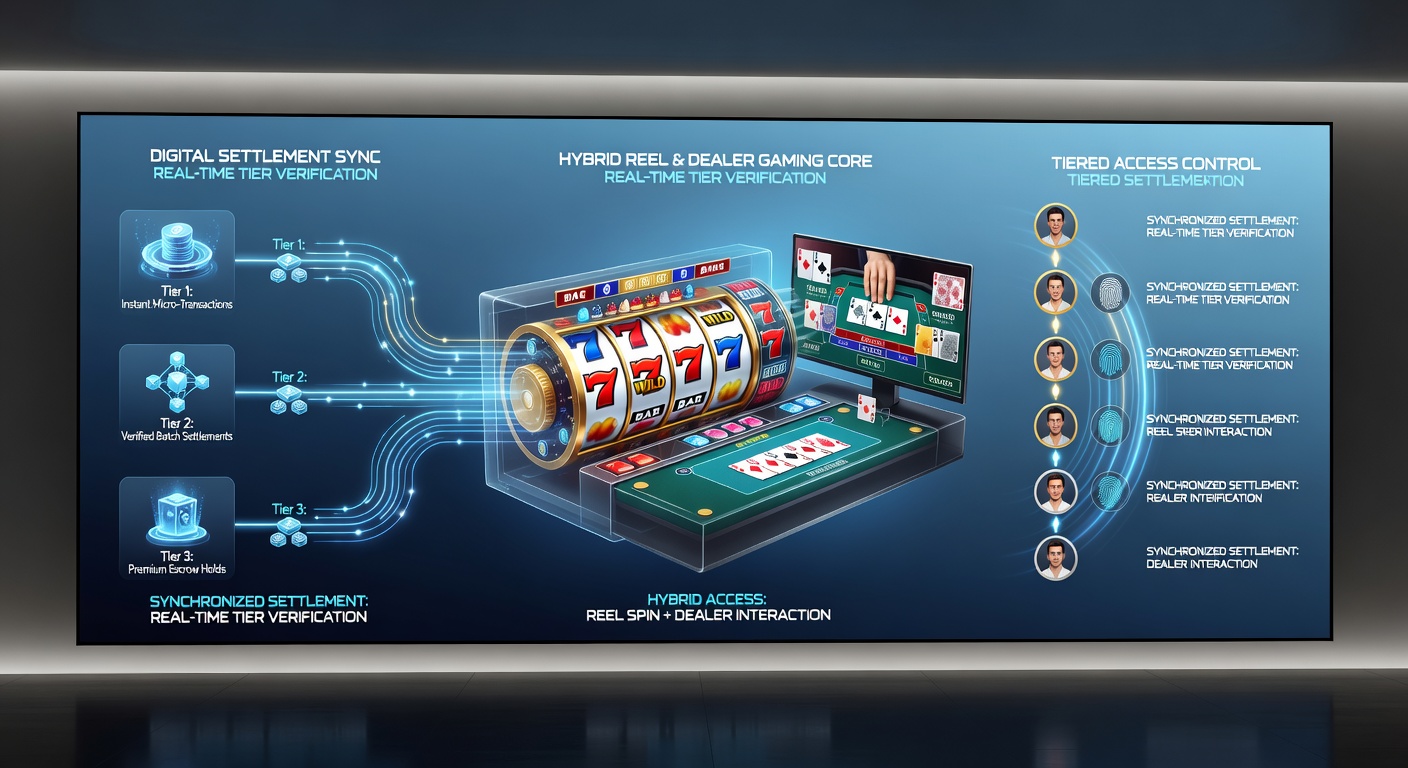
The technical backbone consists of middleware layers that reconcile settlement confirmations with access control lists, and these layers operate continuously to reflect changes in account balances or transaction histories. When a settlement processes successfully, the middleware evaluates multiple variables including amount, method, and timing before updating the player's tier flag, which then propagates to both reel and dealer interfaces simultaneously.
Studies conducted through university-affiliated gaming labs, including work referenced in publications from the University of Las Vegas, have examined latency reductions achieved when settlement and access databases share direct connections rather than periodic batch updates. Those analyses found measurable improvements in session continuity for users moving between format types, particularly during peak activity windows when multiple tier adjustments occur in quick succession.
Regulatory and Compliance Considerations
Regulatory bodies in various regions require operators to maintain transparent records linking settlements to access decisions, which helps verify that tier advancements follow documented criteria rather than discretionary judgments. In May 2026 updates from Canadian provincial oversight agencies, emphasis was placed on audit trails generated by synchronized systems because they facilitate quicker reviews of player eligibility claims across hybrid offerings.
Operators address these requirements by embedding compliance checks within the settlement workflow itself, so that any transaction triggering a tier change undergoes automated screening before access rights activate. This approach aligns settlement records with access logs in a single data stream, which simplifies reporting obligations for mixed reel and dealer environments operating under multiple licensing regimes.
Conclusion
The synchronization of digital settlement options with tiered access continues to shape how hybrid reel and dealer platforms manage player movement between formats, supported by real-time data connections and automated evaluation protocols. Evidence from regulatory filings and technical studies demonstrates consistent patterns of integration that prioritize verifiable transaction records as the foundation for access adjustments, with ongoing refinements observed through 2026.